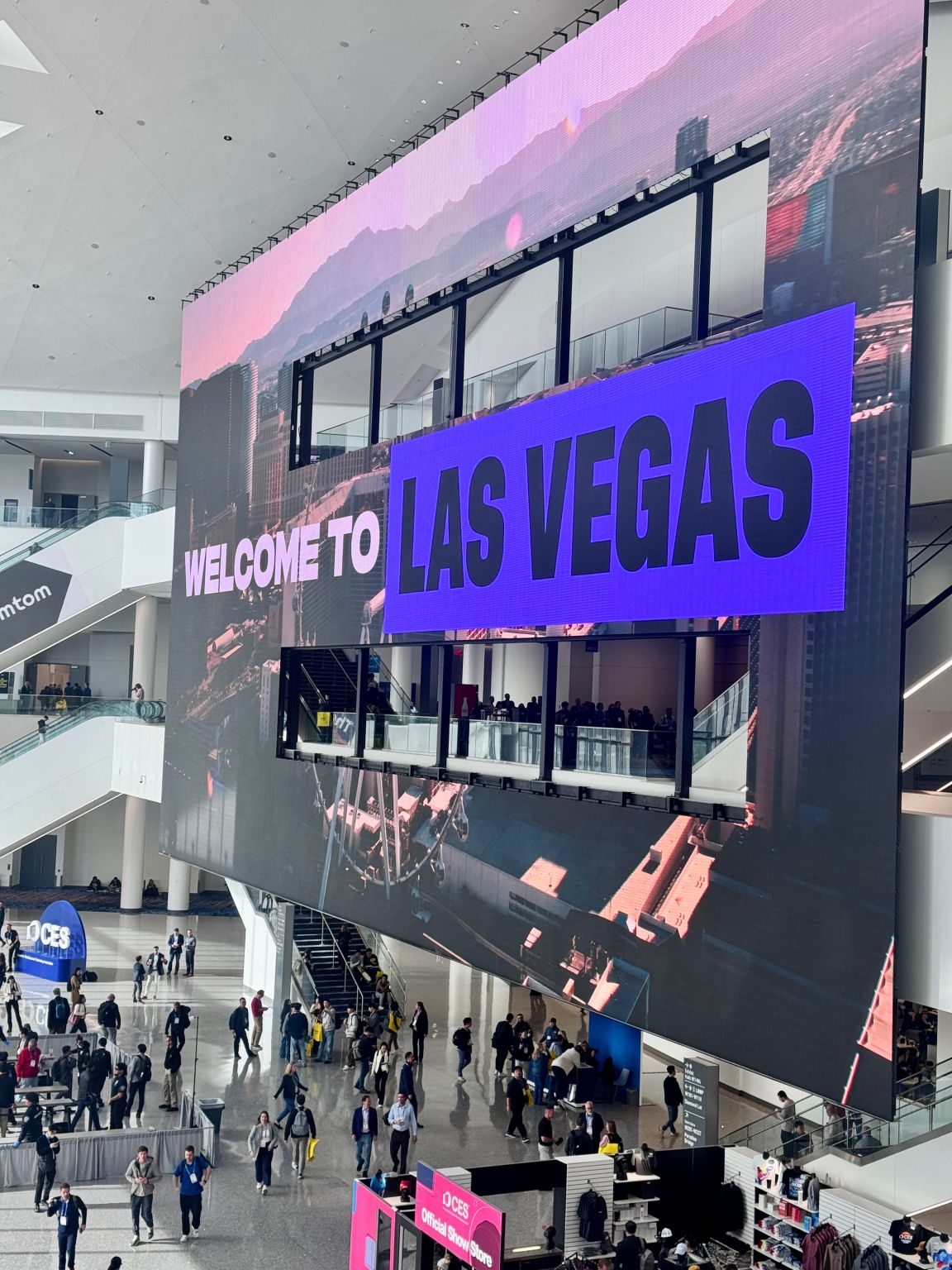
A few observations and reflections.
AI is no longer a feature choice. It is the default premise for everything.
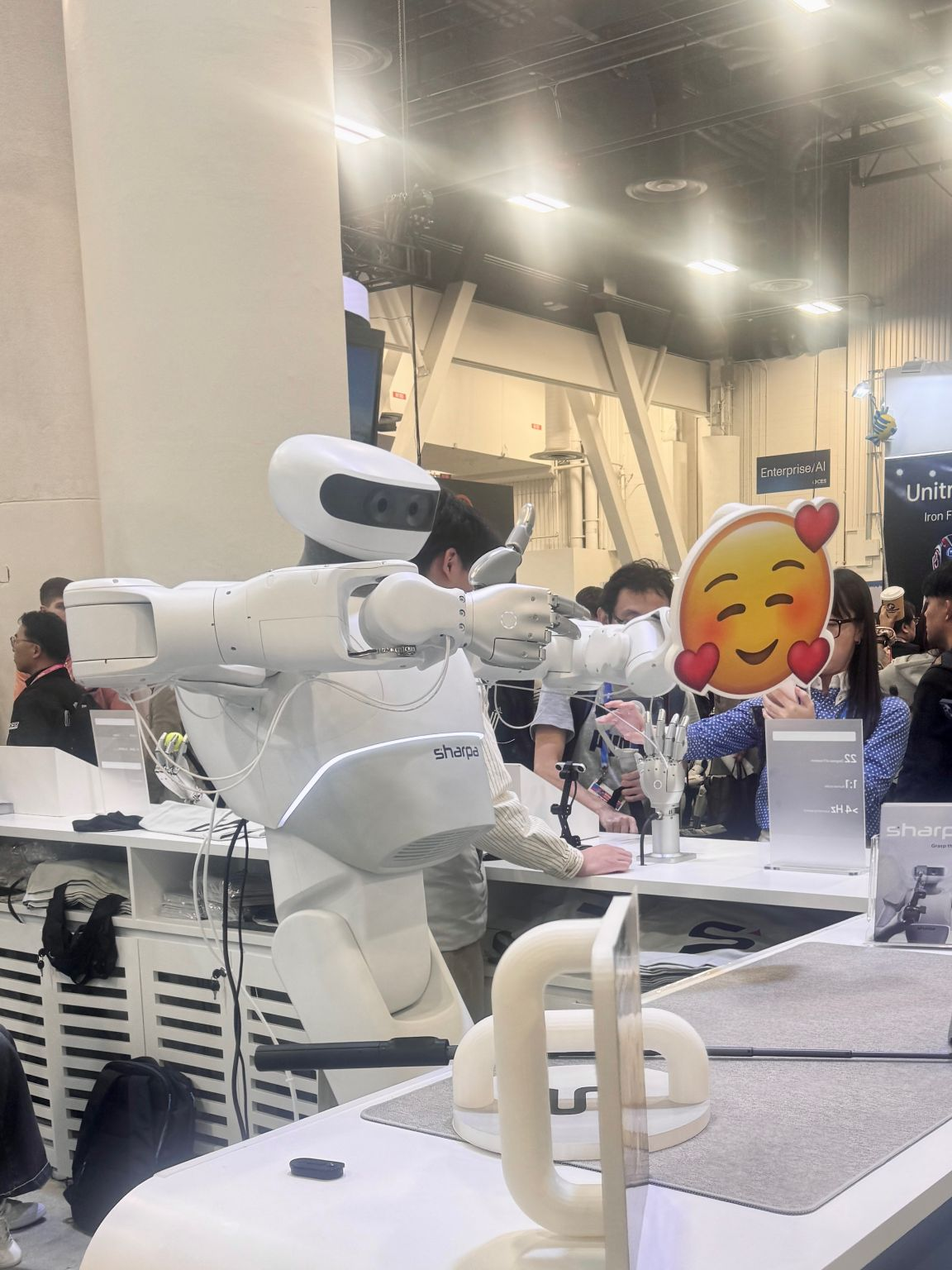
Across chips, connected devices, automotive, and med-tech, large companies are building end-to-end AI systems that close the loop between perception, decision, and execution. As a result, hardware is rapidly commoditizing. The real differentiation now lies in how fluid the system feels, how capable the agent is, and ultimately, whether it earns user trust.
Because of this shift, bringing Physical AI into the real world is increasingly a game for those with massive compute, data, and organizational capability. The technology moat did not widen gradually. It rose almost overnight.
Beyond the technology, observing CEOs and founders across different stages made one thing very clear:
Product layers may differ, but the underlying logic of success is highly consistent.
You can often tell immediately why something succeeds. Is the user journey clear? Is it genuinely useful? These are baselines you can never bypass.
Form must never outweigh function. No matter how refined the packaging, utility is what users pay for.
Even more direct than the product is the founder. A project's longevity often reflects the founder's values, judgment, and way of operating.
Sometimes, I bet on a product. More often, I am betting on the person.
So after seeing all this, one thing stood out to me: in an era of rapid technological change and rising system complexity, clear, restrained, and accountable judgment has become the scarcest resource of all.
AI 已经不再是一个功能选择,而是所有产品的默认前提。无论是芯片、设备、汽车还是医疗,大公司都在做 end-to-end 的 AI 系统,把每一个环节纳入模型和 agent 的决策中。
在这个过程中,硬件本身反而越来越同质化,真正的差异来自系统如何感知人、理解状态、做决策并形成闭环。这也是为什么只有具备算力、数据和组织能力的大公司,才能真正推动这一轮 AI 进入物理世界。
#CES2026 · #ArtificialIntelligence · #ProductManagement · #PhysicalAI · #TechTrends